

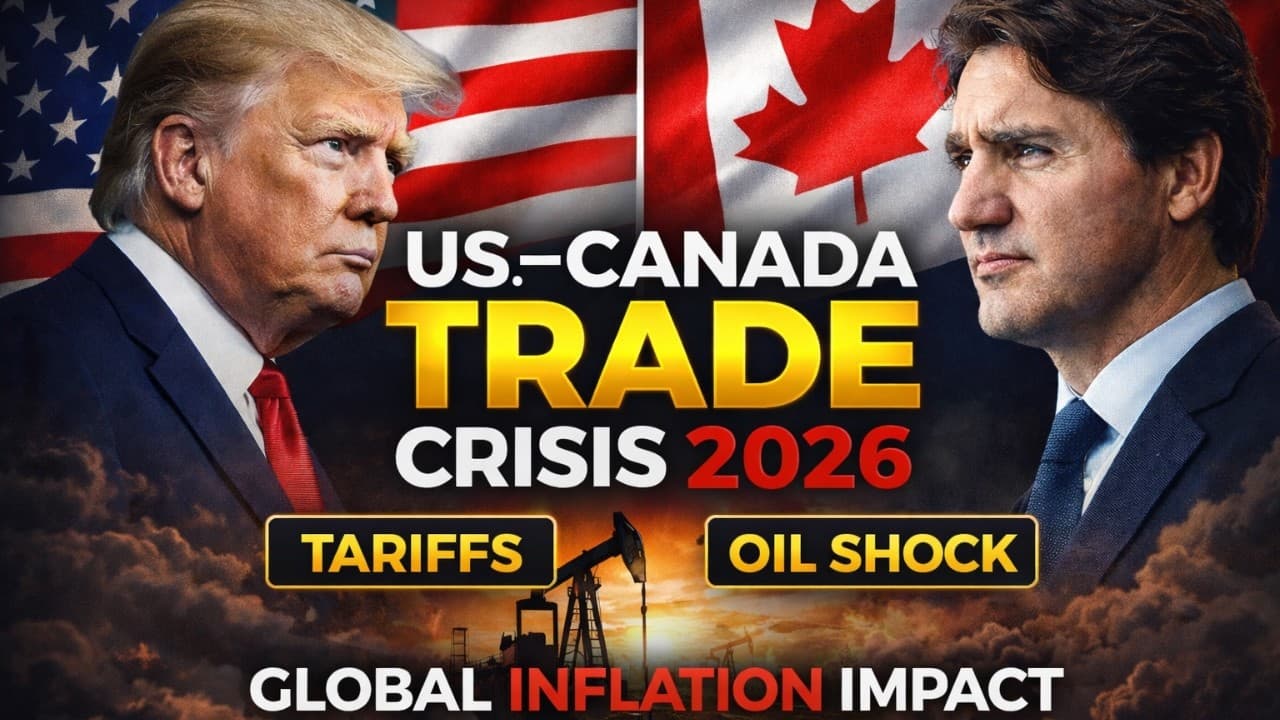
The Ruling That Cracked North America Open
On February 24th, 2026, the Supreme Court handed down a ruling that fundamentally changed how the US could use trade law as a weapon. The court did not kill the International Emergency Economic Powers Act — it just clarified that sweeping trade measures need clear statutory grounding and defined limits [1]. For an administration that had been leaning heavily on IEPA to justify broad tariffs, this was a significant constraint. The pivot happened within days. Instead of backing off, the administration reached for Section 122 of the Trade Act of 1974 — a provision that permits temporary tariffs of up to 15% to address balance-of-payments concerns. The result: a 15% tariff applied across a wide range of imported goods, globally, including products from Canada [1].
I have been watching the mainstream coverage of this, and here is what is driving me crazy: most of it is stuck in the "trade war bad / trade war good" binary. What a recent video from the YouTube channel Lul actually does — and what made me want to write this — is treat this like what it is: a complex geopolitical and economic restructuring that has three genuinely different possible outcomes, each with massive implications. If you have not seen it, go watch it. It is the kind of data-driven breakdown that makes a 24-hour news cycle look embarrassing [1].