
The interesting thing about AI coding in 2026 is not that there are too many tools. It is that YouTube has figured out how to cover them. A growing cluster of creator videos is doing the same basic thing over and over: pick a few AI coding tools, give them a real task, watch where they shine, watch where they break, and let the audience decide what matters.[1][2][3][4]
That sounds obvious, but it is a bigger shift than it looks. For a while, AI coding coverage lived in product launches, benchmark tweets, and the usual flood of "this changes everything" posts. Now the format that is sticking is much more practical. Creators are testing vibe coding tools the way hardware channels test cameras or laptops: same prompt, same goal, same clock, now let's see who actually ships.[1][2]
What creators are actually doing
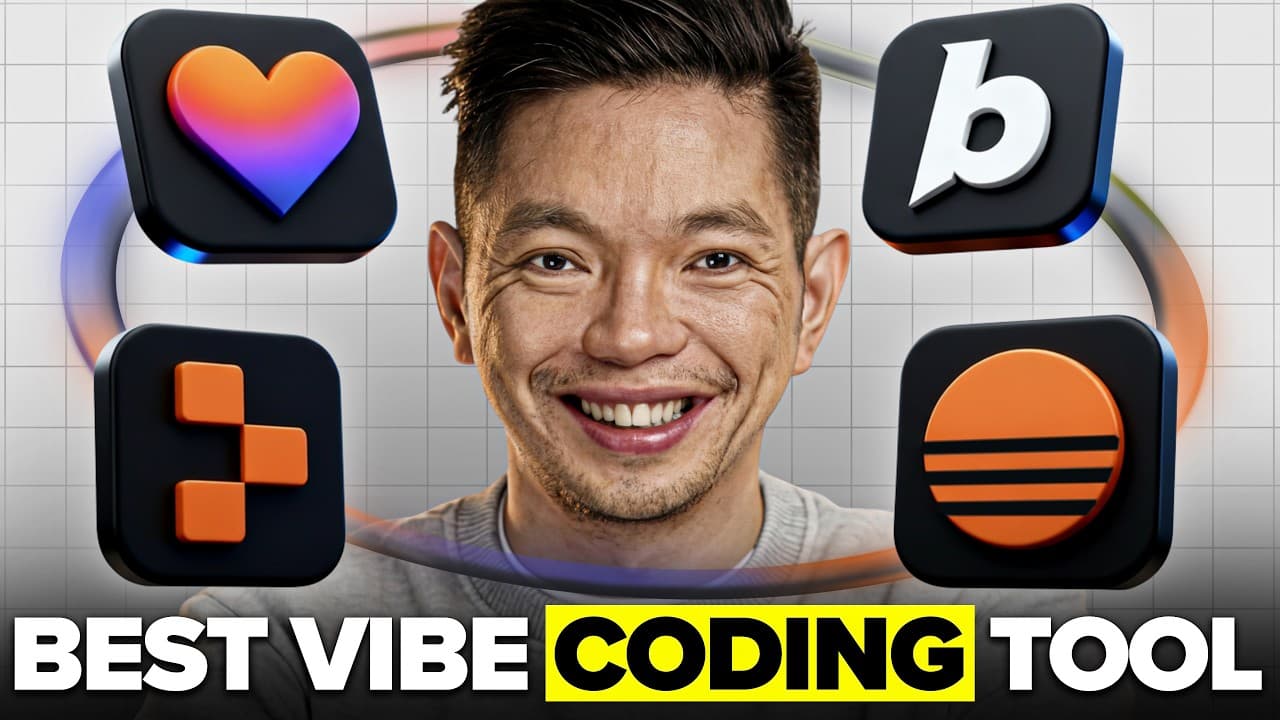
The best way to understand the trend is to look at the structure of the videos. Mikey No Code's recent comparisons are built around concrete challenges: which tool can build the most complete app, which one gets stuck in loops, which one is friendliest for non-coders, and which one can go beyond landing-page fluff into something that feels like a real product.[1][2] Codevolution approaches the same market from a more developer-native angle, focusing on the trade-offs between tools for people who already know how software gets built.[3] Syntax, meanwhile, folds AI tools into a broader creator-developer workflow conversation, which matters because it shows these tools are moving from novelty demos into everyday setup talk.[4]