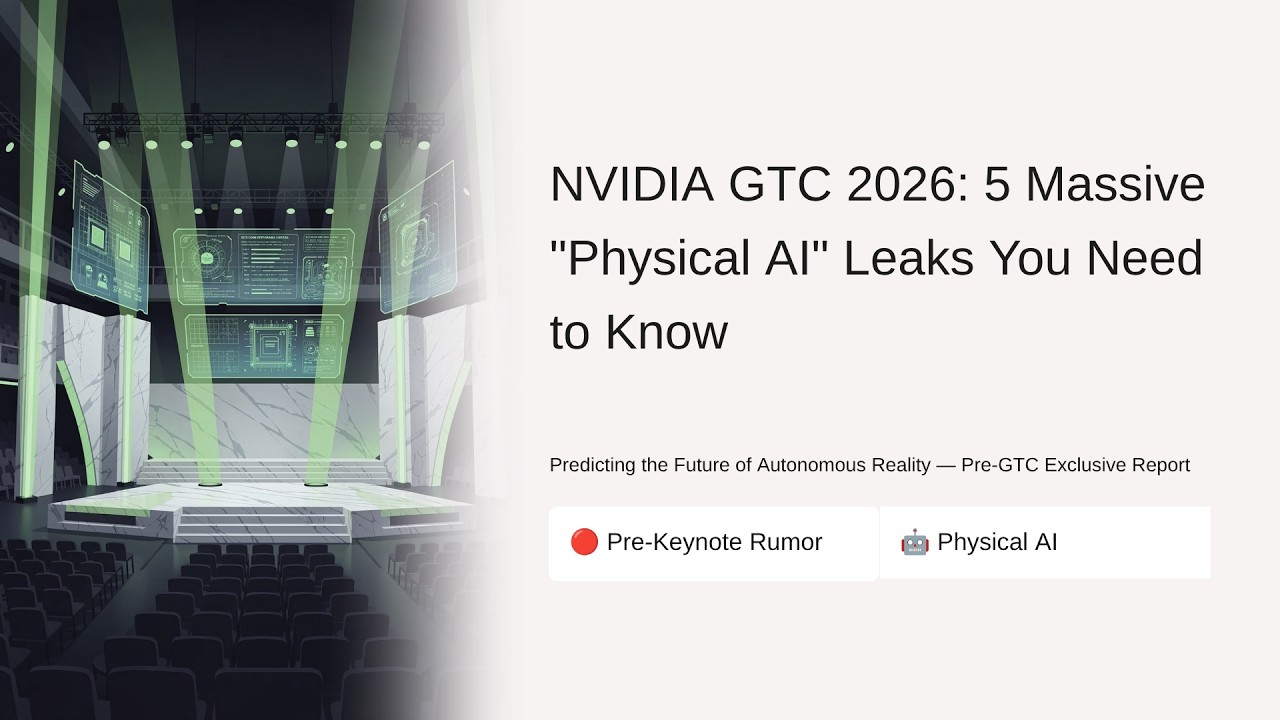

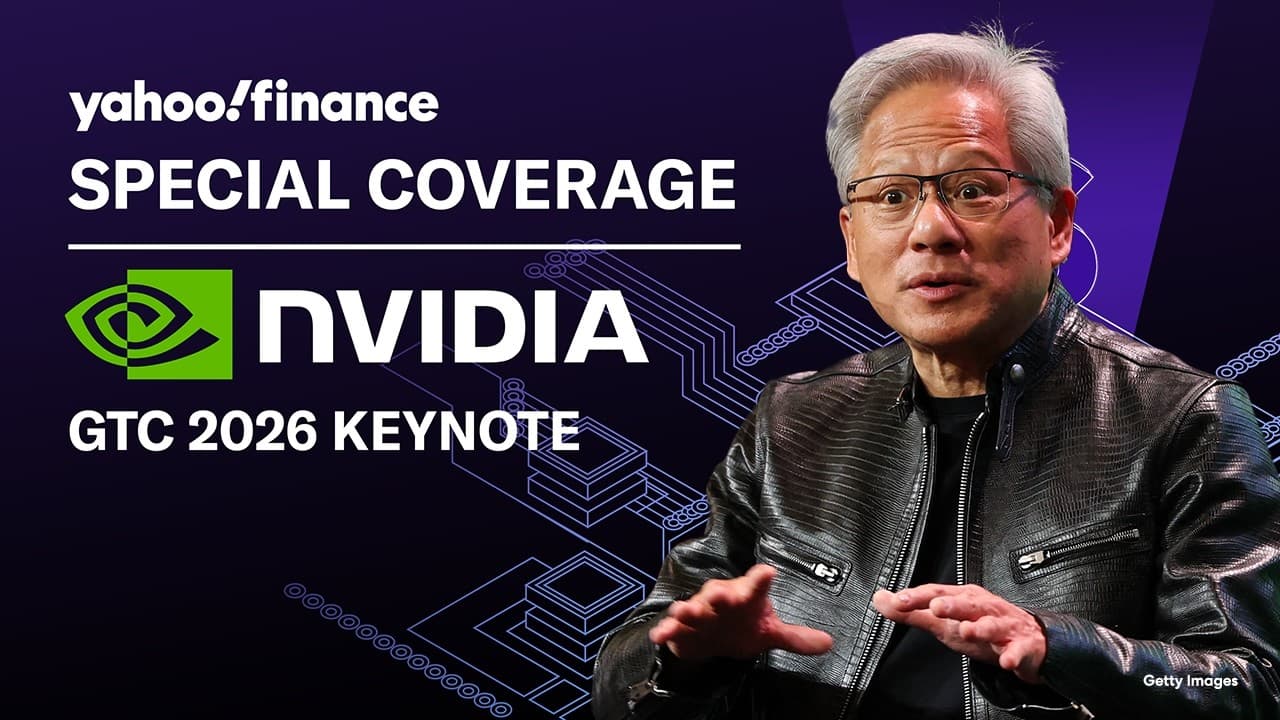
Seventy-two hours before Jensen Huang walked onstage at the SAP Center in San Jose, a YouTuber called the shot. Five leaks, laid out in a nine-minute video, with one bold claim: GTC 2026 was the moment Nvidia officially stopped being a chip company and became the infrastructure backbone of physical reality [2]. I watched that video before the keynote. I watched three hours of Jensen live afterward. And I'm here to tell you: the leaker was right about everything — and still somehow undersold it. GTC 2026 was Nvidia's most consequential keynote in years. Not because of a single flashy product announcement. Because of what the whole picture adds up to when you step back and look at it clearly.
The Three Platforms — And the One That Changes Everything
Jensen opened by reminding the crowd that Nvidia has three platforms now. Most people knew about CUDA X — the company's 20-year-old computing foundation that powers AI training everywhere from AWS to your local university cluster. You knew about the systems business. But the third one is new: AI Factories [1]. This isn't just a rebrand. AI Factories is Jensen's bet on a fundamental shift in what a data center is. It used to hold files. Now it manufactures tokens. Every gigawatt facility, every rack of GPUs — Jensen wants you to think of them the way you think of a semiconductor fab. You put power in. You get intelligence out. Tokens are the new commodity, and Nvidia wants to be the TSMC of the token economy [1]. That framing matters for developers because it changes how you think about infrastructure costs. Jensen showed a chart — obsessively detailed, the kind you have to pause and rewatch — mapping AI models by throughput (tokens per second) against intelligence tier. Each tier unlocks higher pricing: free models at the bottom, $150/million tokens at the top for premium reasoning services. The Vera Rubin platform, Nvidia's new architecture, doesn't just beat Blackwell — it expands the entire viable tier space upward by roughly 10x at the premium end [1].