
The Video That's Breaking the Robotics Internet
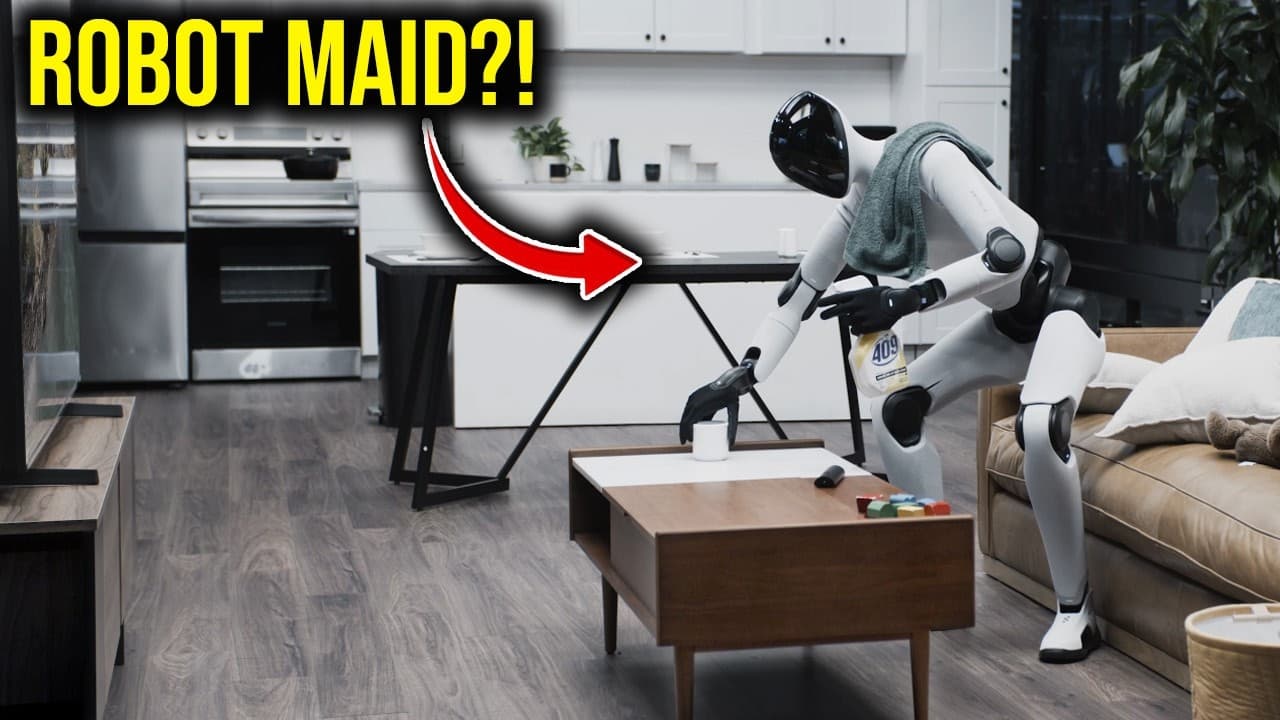
A humanoid robot walks into a cluttered living room. Clothes on the couch, toys on the floor, a dirty table, pillows out of place. Without a human behind a controller. Without a script. Without pre-programmed waypoints for each object. The robot looks around, decides what needs to happen, and starts cleaning. That's the Figure AI demo that dropped earlier this week, and if you work anywhere near robotics or AI, it's all anyone is talking about. RoboFrontier's breakdown of the Helix AI system [1] has been making the rounds in tech circles for good reason — and the official Figure AI blog post gives you the actual engineering story behind it [2]. I've been watching humanoid robot demos for years. Most of them are carefully staged for the camera, optimized for a single skill, and quietly fall apart the second you change a variable. This one is different. Here's why.
What Figure Actually Built — One Neural Network to Rule All of Them
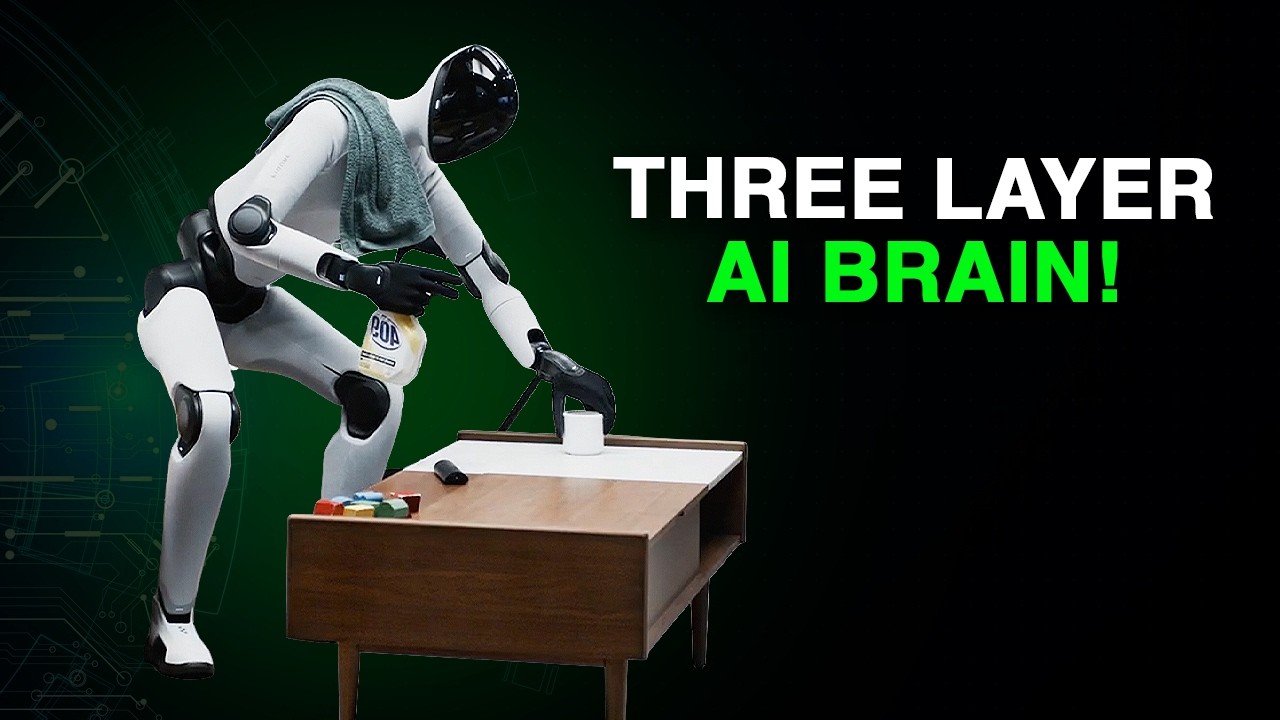
The name of the AI system is Helix 02. And the most important thing to understand about it is what it replaced. Previous robot control systems — including earlier versions of the Figure platform — handled different body parts with different software. Walking had its own controller. Arm movements had their own system. Hand grasping was handled separately. You basically had multiple "drivers" fighting over the same steering wheel, each one passing instructions to the next in a pipeline that introduced lag, errors, and brittleness at every handoff [2]. Figure AI threw all of that out. Helix 02 is a single neural network that controls the legs, torso, head, arms, and all 10 fingers simultaneously. It took over 100,000 lines of manually written control code and replaced them with one end-to-end architecture that translates raw camera pixels directly into joint torques [1]. No intermediary. No rule-based handoffs. Just sensor data in, coordinated full-body action out. The engineering beneath that is a three-layer system. The lowest layer manages balance and posture at 1,000 cycles per second — making corrections a thousand times every second to keep the robot from toppling when it leans forward to wipe a table. The middle layer translates sensor data into precise joint movements at 200 cycles per second, handling exact grip angles and forces. The top layer is the goal-level planner — the part that understands "clean the living room" and breaks it into subtasks without needing to know the joint mechanics. Each layer hands off to the others seamlessly, all through one trained model [2]. This architecture is why the robot's movement looks unusually natural on camera. It's not switching between walk mode and grab mode. It's doing everything as one continuous flow, the way you would.