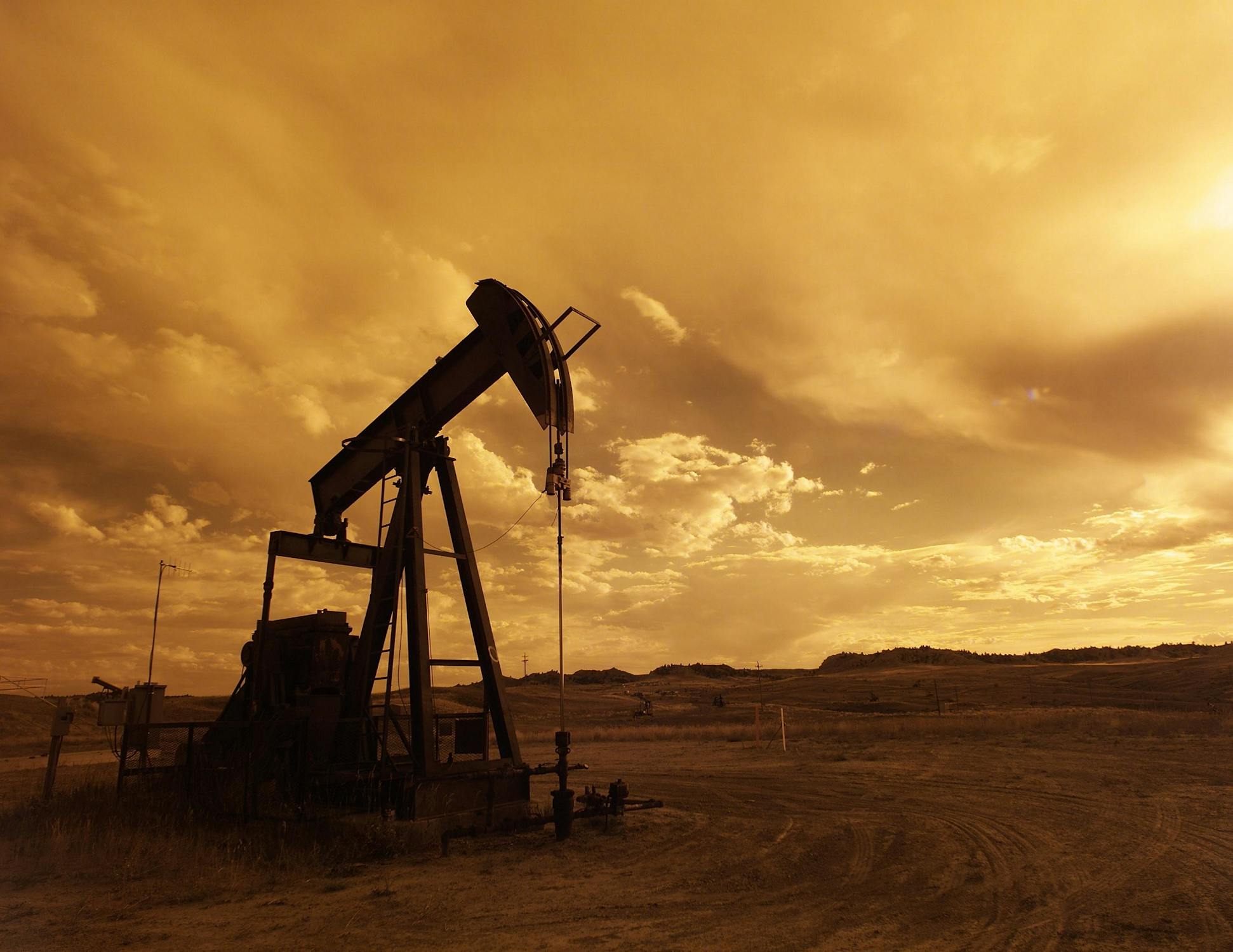


The numbers are brutal
Two weeks ago, oil was a background variable. Now it's the only variable that matters. Brent crude crossed $100 per barrel this week, a psychological threshold that hadn't been breached since mid-2022. At some points during the volatility, prices spiked as high as $120 before settling back. WTI, the U.S. benchmark, is tracking around $95–96. Both were sitting near $60 at the start of the year. That's a 40% increase in less than three weeks. [2][3]
The cause is straightforward: the Iran war has disrupted the Strait of Hormuz, through which roughly 20% of the world's oil supply passes daily. Iran's new Supreme Leader has vowed to keep the strait closed. The U.S. and allied navies are working to keep shipping lanes open, but the disruption is real and ongoing. Murban crude — a Middle East benchmark less dependent on the strait — has surged to $117.70, reflecting the regional premium that comes with proximity to an active war zone. [2]
At the pump, the pain is already showing. U.S. diesel prices are up 25% since the war began. In Europe, the weighted average diesel price has climbed 20%, with Spain seeing a 27% spike and Ireland hitting EUR 2.30 per liter. China and India, which rely most heavily on Middle Eastern crude, have so far contained pump prices through government controls — but that's a subsidy with limits. [1]